Eating Salad in India: Why It Is Different (And How to Make It Work)
Western salads often feel unsatisfying in an Indian context — wrong flavours, wrong portions, wrong protein. Here is how Indian-style salad bowls differ and why they actually work as a full meal.
Just Salad team · 4 min read
There is a persistent myth that salads are not real food for Indians. "That is rabbit food." "One bowl and I am hungry in an hour." "I cannot give up roti."
This reaction usually comes from experience with Western-style salads — iceberg lettuce, a few cherry tomatoes, dressing, done. That is a garnish, not a meal. Indian-style salad bowls are fundamentally different, and once people try a properly constructed one, the objections usually disappear.
What Makes Western Salads Unsatisfying
A standard Caesar or Greek salad served at an Ahmedabad cafe typically contains:
Iceberg or romaine lettuce (very high water content, very low calories and nutrients)
A few token vegetables
A small amount of cheese or protein
A creamy dressing that adds 150–200 calories
The total: 200–350 calories with 5–10g protein. For an adult who needs 500–600 calories at lunch and 20g+ protein to avoid being hungry by 4 PM, this is genuinely inadequate. The criticism that "salads do not fill me up" is correct — about that type of salad.
The Indian Salad Bowl: A Different Category
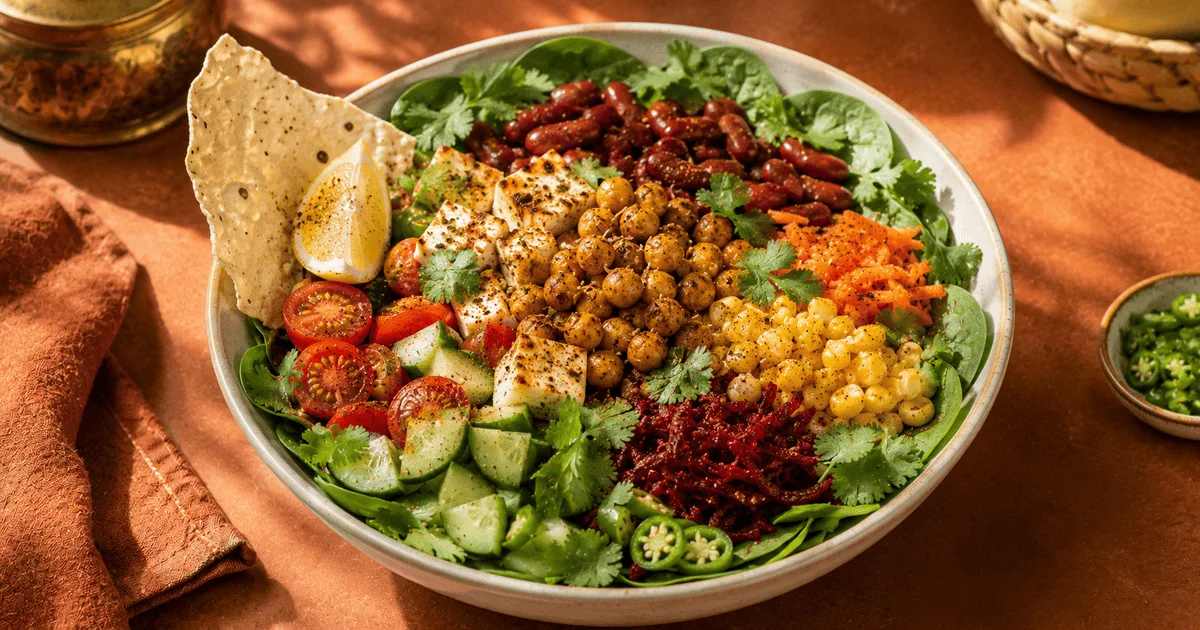
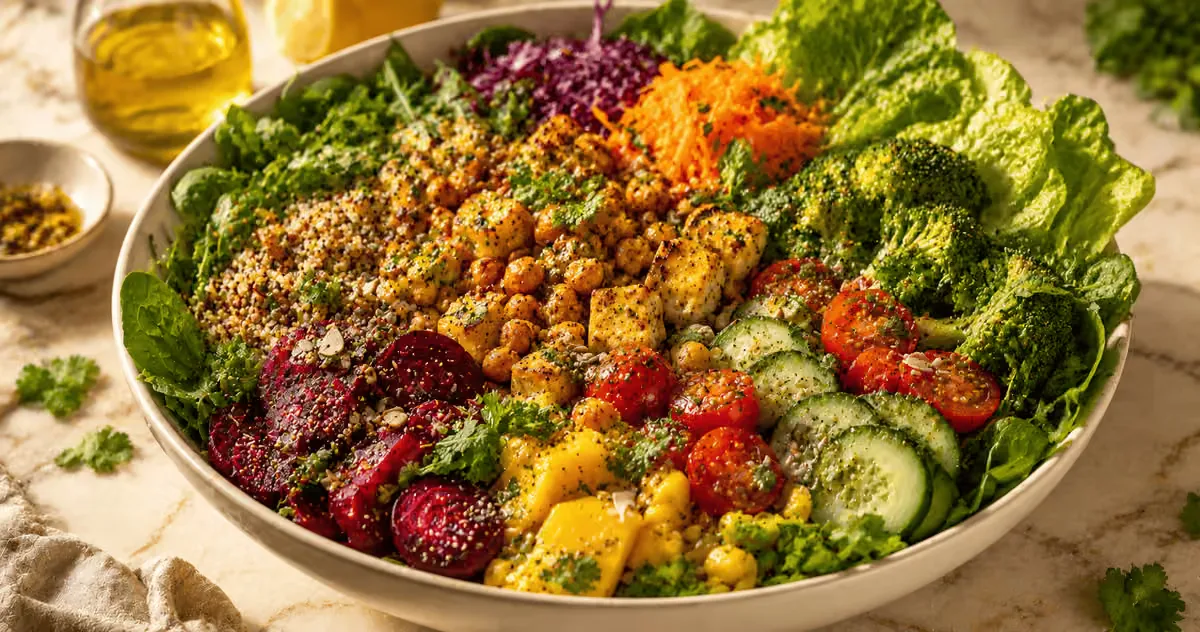
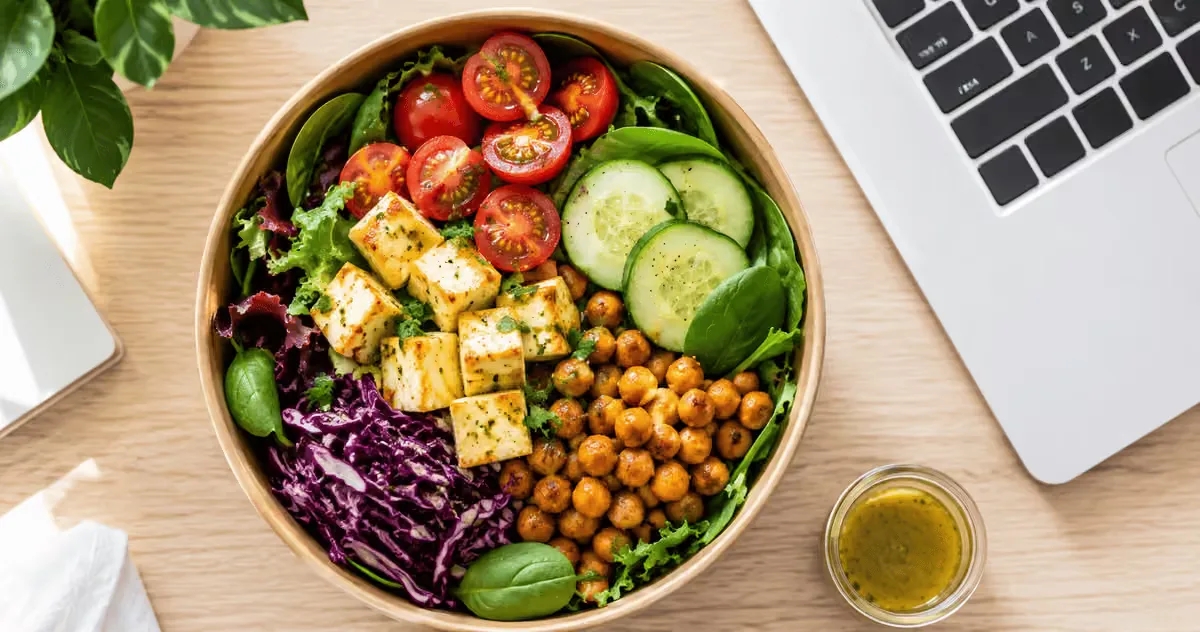
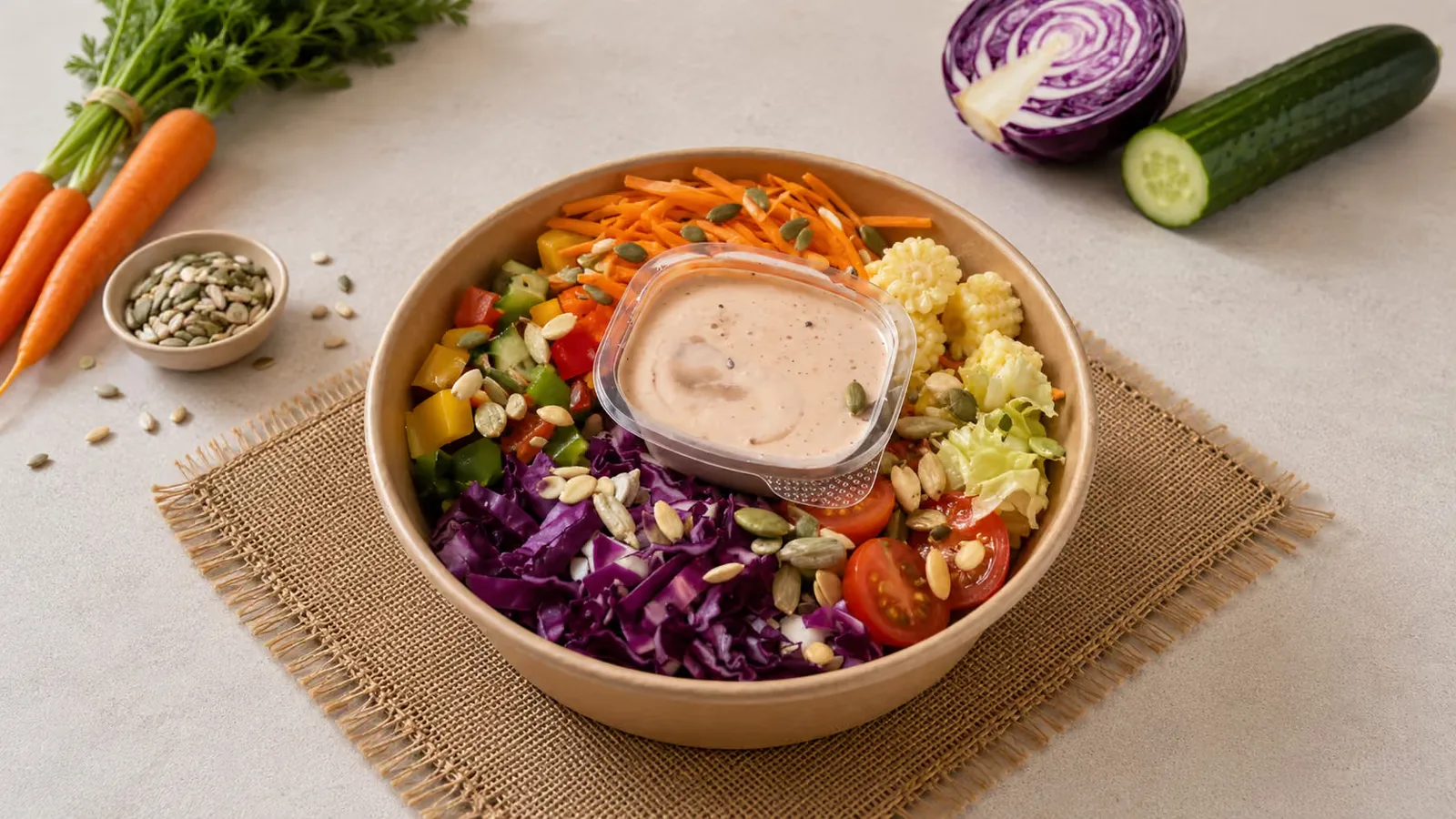
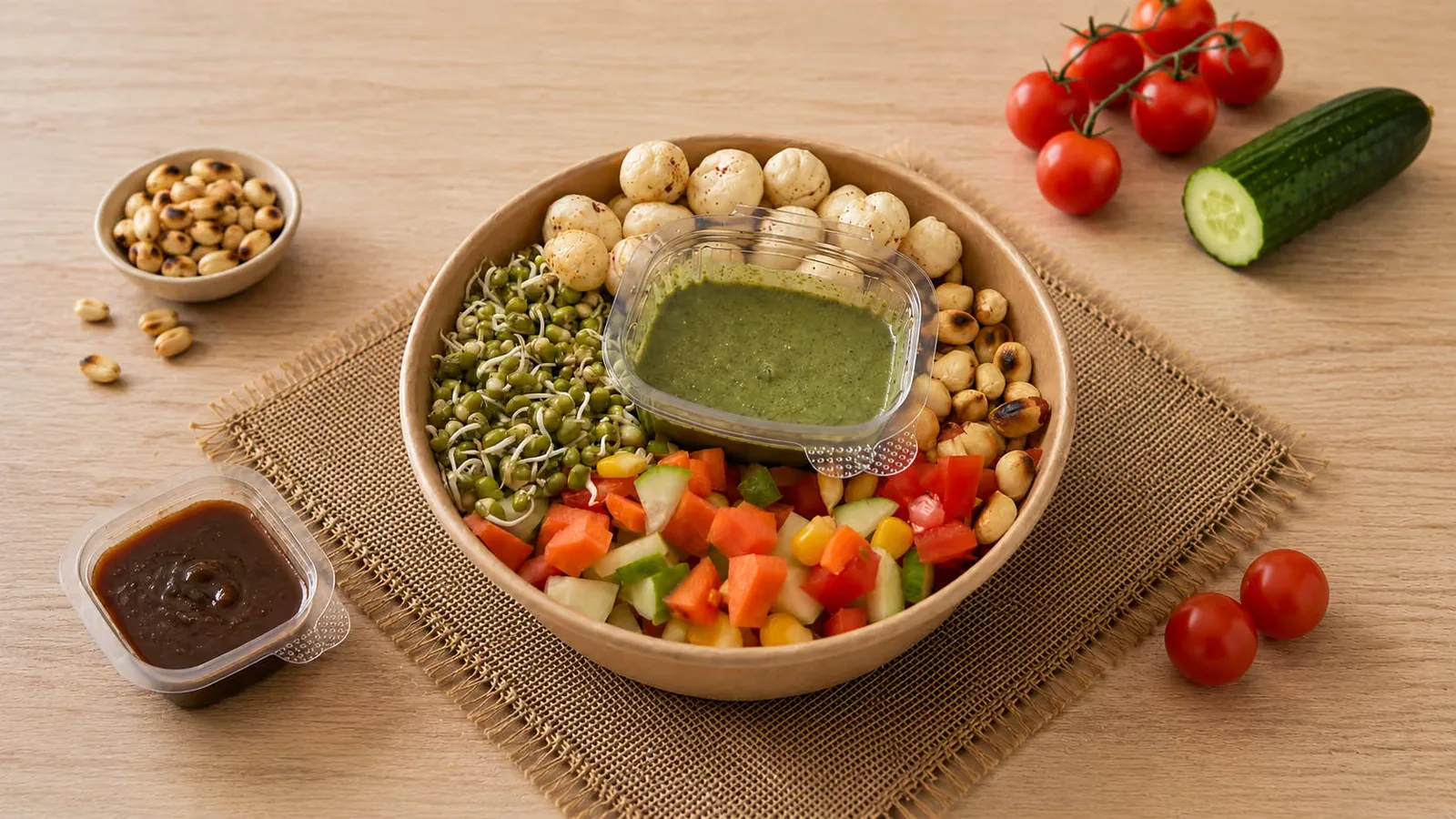
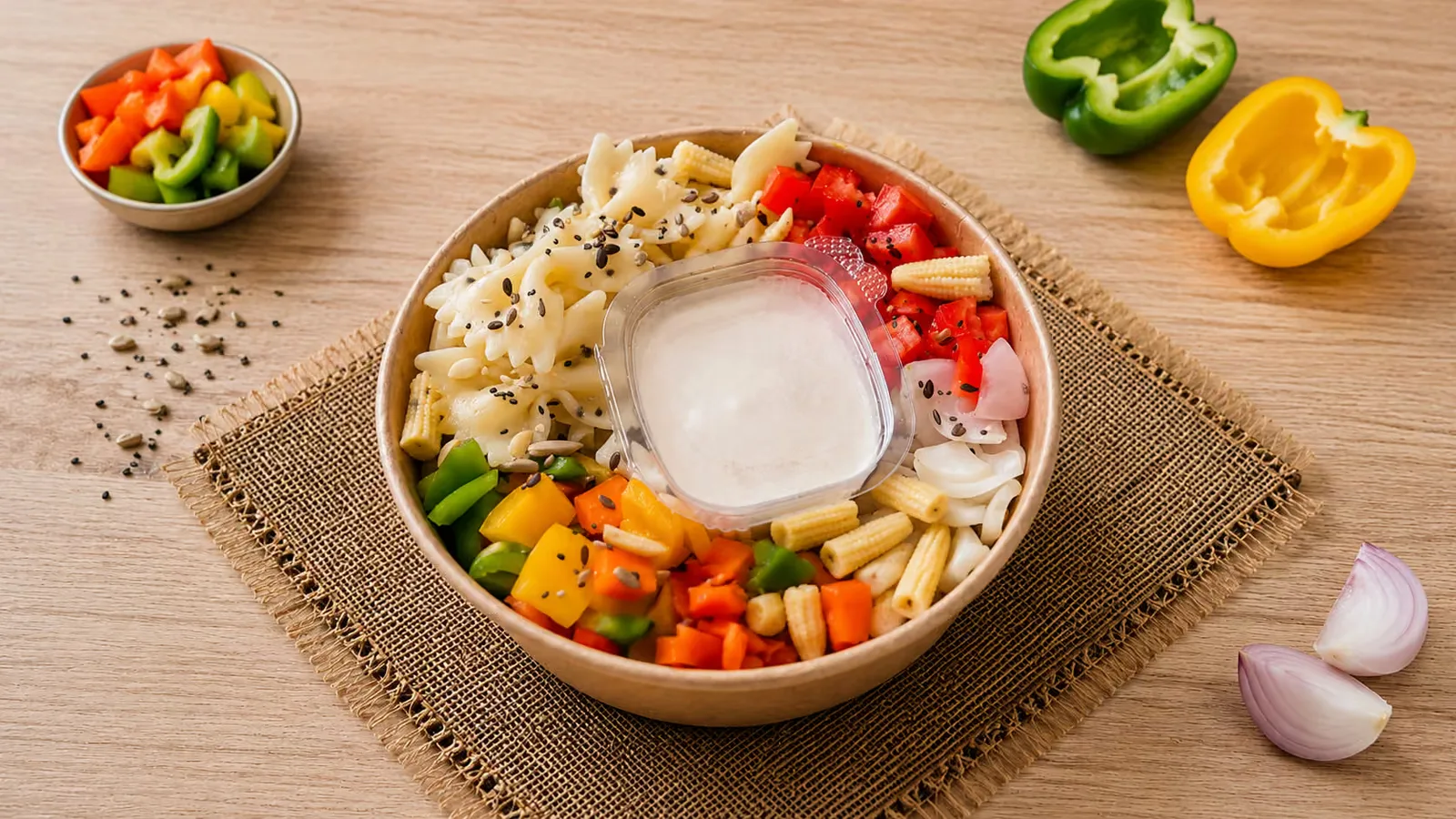
Indian cuisine has a long tradition of high-protein, high-fibre mixed preparations that function as complete meals. Sprouted moong chaat, chickpea chaat, rajma bowls, paneer-vegetable preparations — these are salad bowls in everything but name. The difference from the Western version:
High-protein base: Chickpeas, rajma, moong dal, paneer — not lettuce — form the foundation
Indian spice profile: Chaat masala, cumin, green chilli, tamarind, coriander — familiar, satisfying flavours rather than oil-and-vinegar dressings that feel foreign
Full meal portions: 350–450 calories of actual sustaining food, not 200-calorie appetite teasers
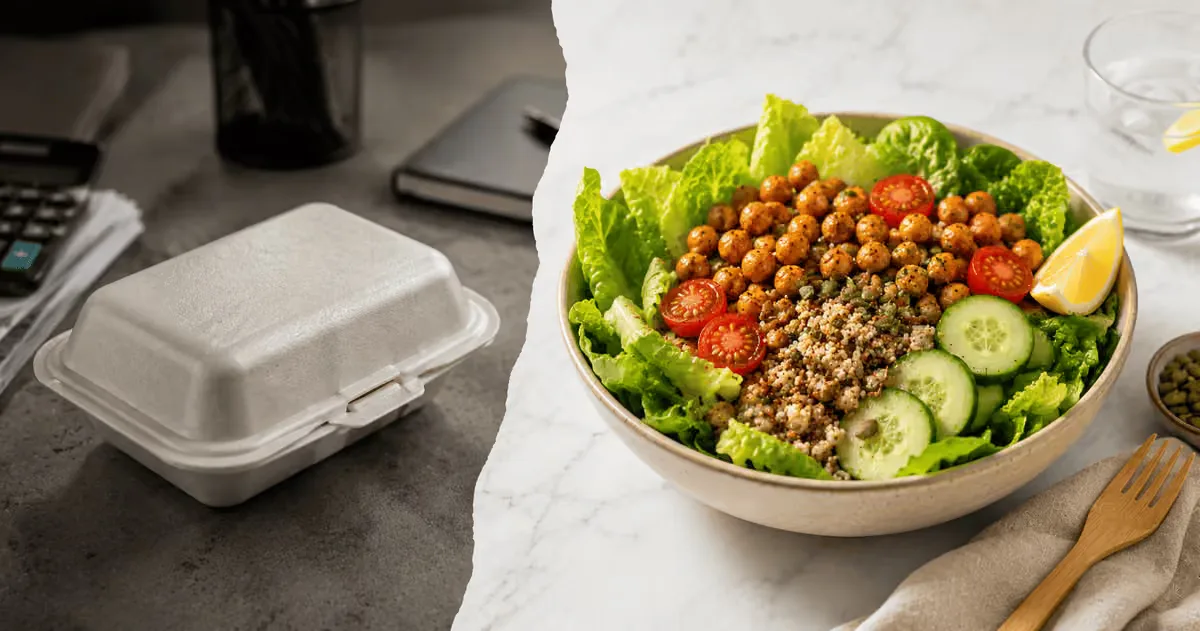
Temperature versatility: Indian-style bowls work at room temperature and are designed for the climate — unlike a wilted cold salad in a hot delivery box
Common Objections and Honest Answers
"I will miss rice and roti"
Probably true for the first week. Roti and rice are deeply habitual foods for most Indians, not just nutritional choices. The transition is psychological as much as physical. Most people who have switched report that by week two, the bowl feels satisfying and the carb craving diminishes significantly.
If the transition is hard, start with three days per week rather than every day. Partial substitution still produces meaningful health benefits.
"It is not enough food"
A bowl with 100g chickpeas, 50g paneer, and a cup of vegetables is 380–420 calories and 22g protein. It is physiologically more filling than a 600-calorie canteen thali because of the high protein and fibre content. The "not enough" feeling in the first few days is often psychological — your brain expects rice and registers its absence as insufficient, even when your stomach is satisfied.
"Where do I get my iron and B12 from?"
Valid concern for vegetarians. Salad bowls can and should include iron-rich foods — spinach, sesame seeds, chickpeas, rajma, and pumpkin seeds are all excellent iron sources. B12 remains a challenge for all pure vegetarians regardless of meal type; supplementation or fortified foods are the standard recommendation from nutritionists regardless of diet style.
"It is not filling enough in winter"
Winter in Ahmedabad (November–February) is when this objection peaks. A practical approach: add a warm element. Warm rajma or chickpea bowls, lightly heated paneer, or a small cup of warm soup alongside the bowl satisfies the psychological need for warm food while maintaining the nutritional profile.
How to Transition Successfully
Start with Indian-flavoured bowls: Begin with bowls that use familiar spices — chaat masala, cumin, tamarind, coriander. Avoid starting with purely Western-style salads.
Do not reduce calories too fast: If you are used to 700-calorie canteen lunches, a 350-calorie bowl will feel insufficient for the first week regardless of actual satiety. Move to 450–500 calories first, then reduce further once adjusted.
Add a small afternoon snack for the first two weeks: Plan for a 150-calorie afternoon snack during the adjustment period. This removes the fear of being hungry and makes the transition less stressful.
The Verdict
"Salads do not work for Indians" is true about Western-style salads. It is not true about Indian-style bowl cuisine built on high-protein, high-fibre, Indian-spiced foundations. The gap between these two categories is large enough that most people who dismiss salads for lunch have never actually tried the latter.
See the current weekly menu for examples of Indian-style bowls with full nutritional information — and judge for yourself whether they look satisfying.
From our kitchen
Pick a plan, or just try one bowl
Choose Weekly or Monthly below, or start with a single ₹220 bowl first, no plan needed.
Noon 11:00 AM - 1:00 PM or Evening 7:00 PM - 9:00 PM, Monday to Saturday. Free delivery in Gota and nearby, and all along SG Highway. Skip any day until 11 PM the night before.
The 2–3 PM energy crash is not inevitable. It is almost always caused by what you ate for lunch. Here is the science behind it and what Ahmedabad office workers can do differently.
Looking for fresh salad delivery in Ahmedabad? Just Salad delivers pure veg salad bowls to your office desk daily from ₹180/meal. Free delivery, skip any day.